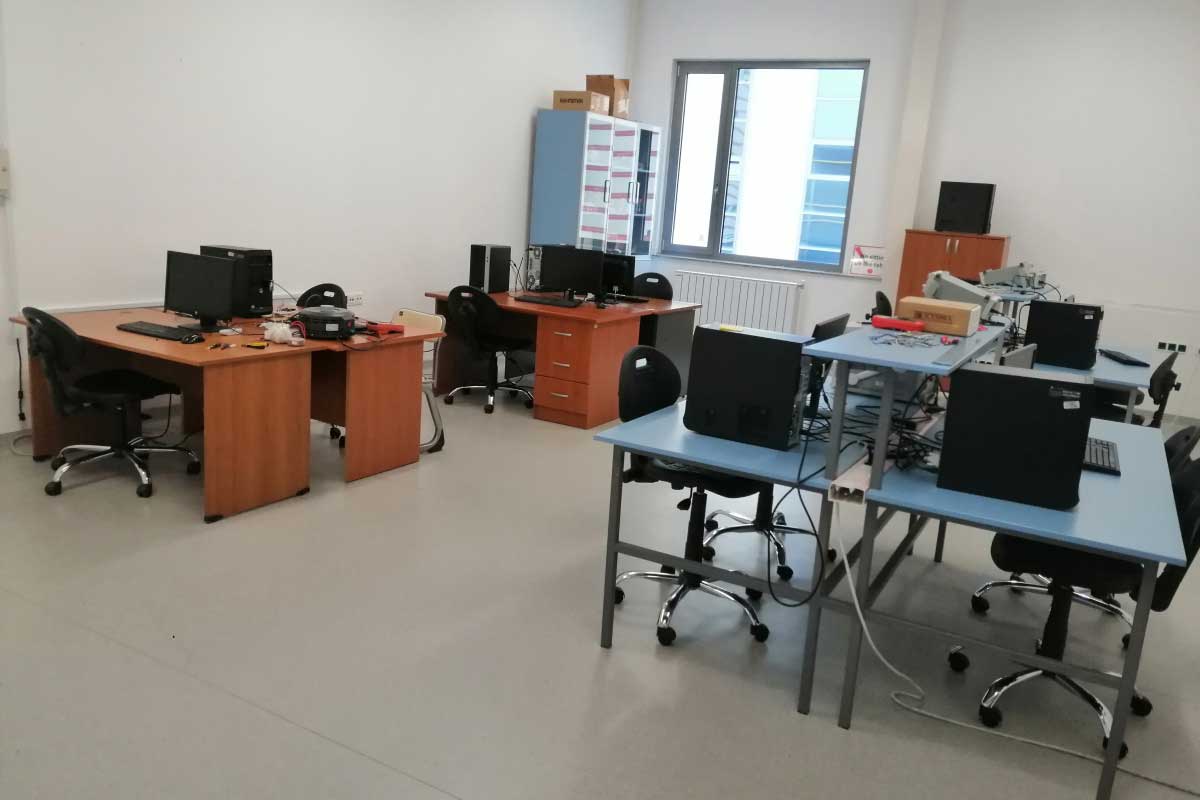
Earning a Bachelor's degree is one of the most important steps you can take towards increasing your earning potential and job opportunities.
Electrical engineers are responsible for the generation, transfer and conversion of electrical power, while electronic engineers are concerned with transfer of information using radio waves, design of electronic circuits, design of computer systems and development of control systems such as aircraft autopilots. These well-trained engineers can look forward to a rewarding and respected career.
Nowadays, Electrical and Electronics Engineering is an exciting and dynamic field. There are numerous respected career opportunities and you can get a minor degree from a variety of different courses, thus gaining the ability to follow recent developments in the information technologies. Get yourself ready for the information century. Specialize yourself in your interest area, such as telecommunication, power systems, control, etc. Improve your practical application of the theoretical knowledge at Electrical and Electronics Engineering.
Graduates are well prepared for exciting careers in various fields including: Electricity generating, Electrical Equipments, Telecommunication Systems, Industrial Automation Systems, Control Systems, Personnel Electronics, and Medical Electronics.
Candidates who are citizens of foreign countries can submit preliminary application for admission before the official call is published by the University, so that they can obtain necessary residency permits and satisfy language requirements prior to the start of lectures at the University.
Apply the basic principles and methods of electrical and electronics engineering in the broad field of applications.
Apply mathematical and scientific reasoning in a variety of electrical and electronics engineering problems.
Design, implement and properly document solutions to complex problems in the field of electrical engineering.
Analyze and compare alternative solutions to problems in the field of electrical and electronics engineering.
Use various specific software and hardware for the analysis and design of electrical and electronic systems.
Participate in teamwork on the design and implementation of solutions to problems in the field of electrical and electronics engineering.
Communicate clearly and concisely, orally and in writing.
Think critically and creatively, independently and in a team.
Recognize the social and ethical responsibilities of professional work.
Monitor the development and apply new achievements in the field of electrical and electronics engineering.
Explain the broader multi-disciplinary context of Engineering Sciences.
Use sound knowledge in mathematics, natural sciences and engineering to explain the complex phenomena peculiar to electrical engineering technology, in particular electrical circuits, analogue and digital electronics, electromagnetism, signal processing and control theory.
Identify, classify and describe the performance and general quality attributes and possible trade-offs within the given problem of electrical engineering systems.
Identify, model and solve engineering problems in electrical and electronics engineering.
Use software and hardware tools, as well as laboratory equipment to design, test and evaluate analogue and digital electric and electronic circuits, devices and products.
Use relevant technical literature and other sources of information relating to problems given.
Use up-to-date techniques and tools for electrical and electronics engineering applications.
Apply the processes and methods of scientific inquiry, including the search and retrieval of scientific information, the formulation of scientific hypotheses, the design and conduct of experiments, and the analysis and interpretation of data.
Independently collect and interpret relevant data pertaining to the topics of interest in the field of electrical and electronics engineering.
Use database systems, information on norms, guidelines (codes of good practice) and safety regulations in their field of electrical and electronics engineering.
Demonstrate an awareness of project management and business practices, such as risk and change management, and understand their limitations through project-oriented work.
Analyze and communicate effectively in written and oral English language, document and deliver professional work in their own field and in neighboring fields using modern technical and visual means.
Work effectively on technical tasks individually or in a team and coordinate the team if necessary.
Take the next step towards an innovative career in Electrical and Electronics Engineering. Explore our admission requirements and start your journey in shaping tomorrow's technology.
View Admission Requirements

Students who are interested in obtaining a minor degree from our study programs can see the minor curricula:
At the beginning of the introduction of emergency measures caused by the COVID-19 pandemic, IUS was among the first universities to completely switch to online teaching.



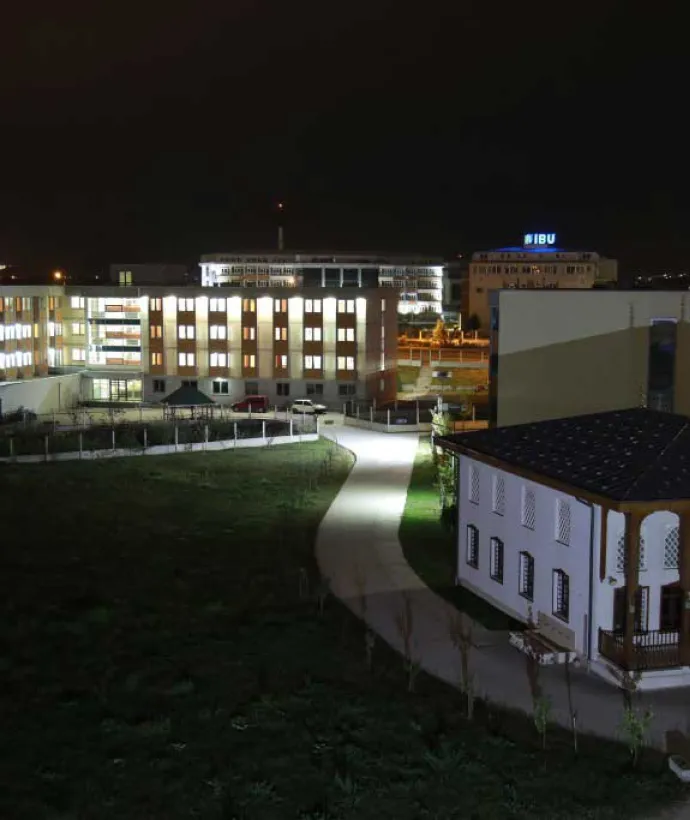









International University of Sarajevo - The best private university in Bosnia and Herzegovina